
Japanese culture doesn’t only come from Japan. In New York — where every culture in the world shows up at once — it keeps evolving.
So we don’t stop at presenting Japan. We go past the surface — into the craft, the philosophy, and the people behind it — and let the exchange run both ways: tradition as the root, the city as the conversation, and what comes next carried back out into the world.
One room. One loop.
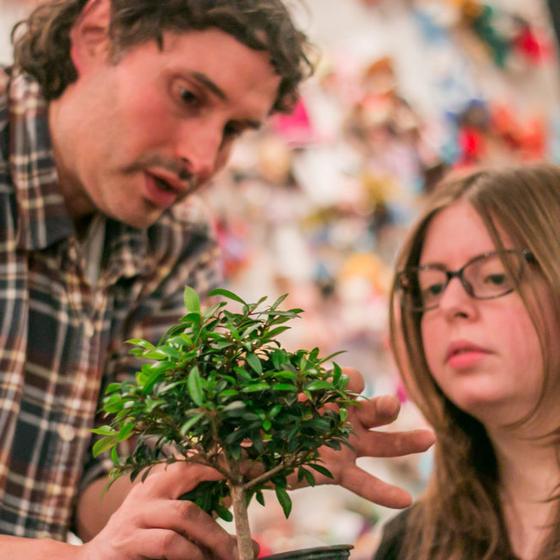
Classes fill the room.
Thirteen hands-on classes bring Japan-curious New Yorkers through the door, week after week.
A community forms.
Among them: chefs, buyers, designers, architects — people whose work intersects with Japanese culture.
Makers plug in.
Independent Japanese producers and craftspeople take their first steps into the US through this room — and meet exactly those people.
New culture takes shape.
They make new things together, and what they make goes back out into the world. Then it starts again.
Two jobs. One house.
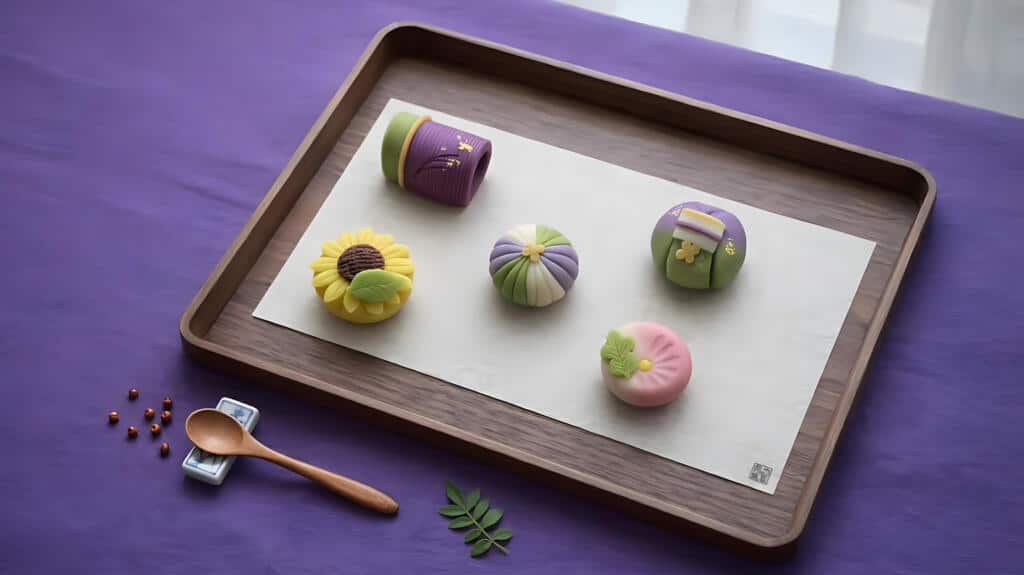
The cultural house
Thirteen class formats — wagashi, sumi-e, kumiko, gunpla and more — plus exhibitions, tastings and pop-ups. Over a thousand new students find us every year; companies book workshops for teams of 8–60; schools bring us into their classrooms.
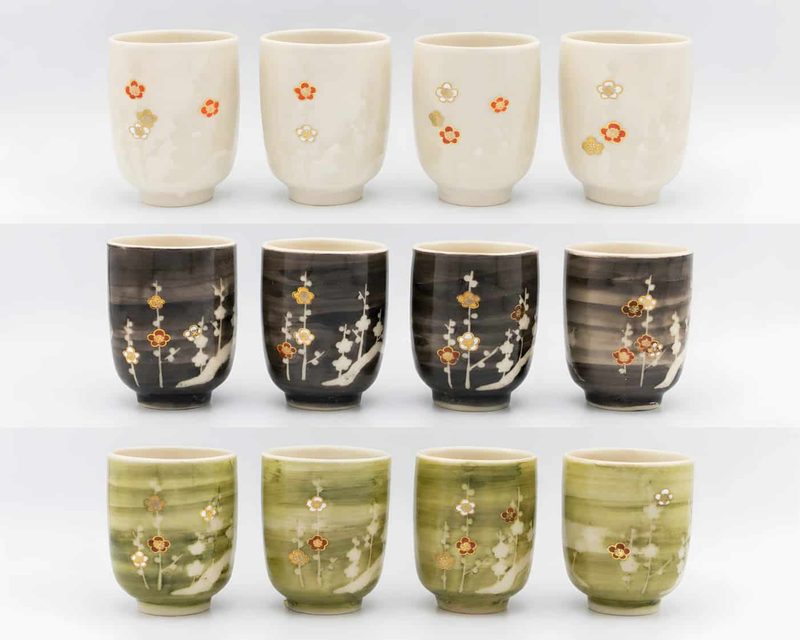
The Japan–US bridge
We advise JETRO — Japan’s government trade-promotion organization — and Japanese municipalities, and work year-round with the country’s small makers: food producers, craftspeople and artisans entering the US for the first time. Their first American audience is usually sitting in our classes.
Classes, concerts, exhibitions, tastings, pop-ups — nearly five hundred events over fifteen years, all archived.
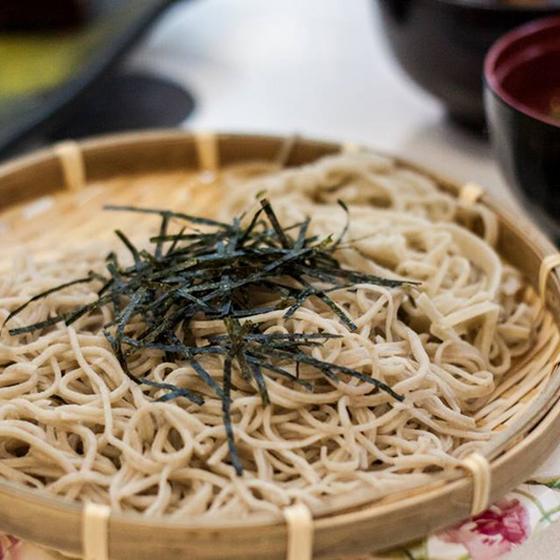
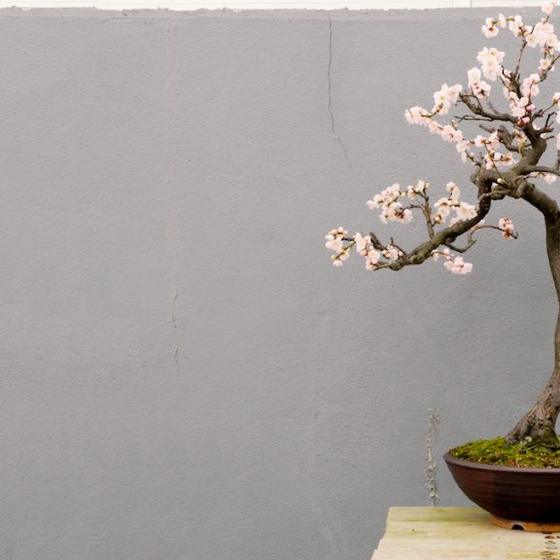
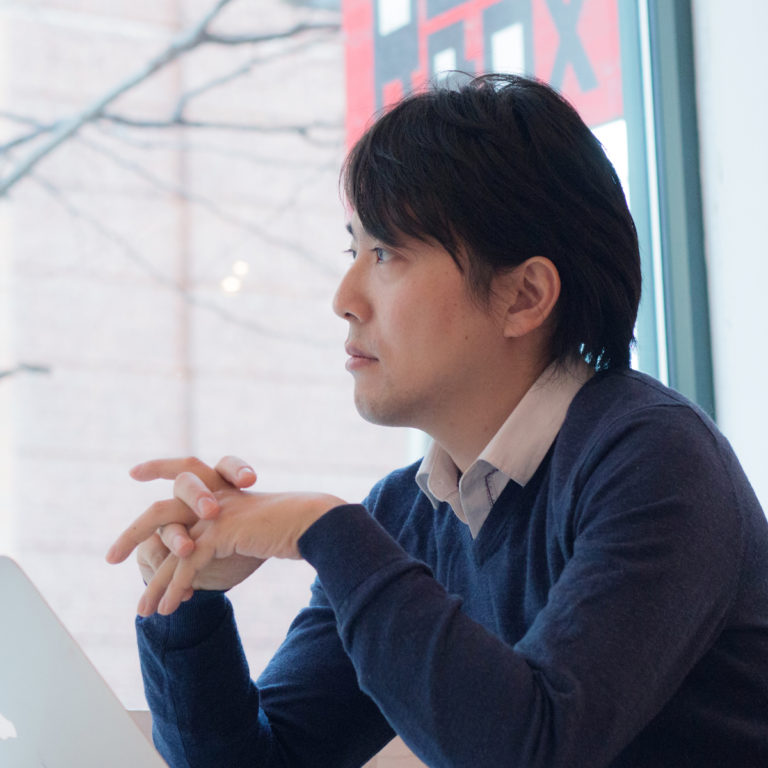
Born in Tokyo in 1980, Takashi studied commerce at Keio University — and worked summers as a licensed climbing guide on Mt. Fuji. Backpacking through nearly twenty countries left him with a lasting interest in what happens when cultures meet.
He moved to New York in 2005 to work in banking, earned an MBA from the City University of New York, and in 2011 founded RESOBOX — not a gallery, not a classroom, but a living space where Japanese and American culture genuinely meet, influence each other, and evolve together.
Today he works with JETRO — Japan’s official trade and investment promotion organization — as a registered export-support partner, and is a US specialist in the Tokyo Metropolitan Government’s export program, guiding Japanese producers, craftspeople and artists through their first steps into the American market.
Come see it in person.
91 E 3rd Street, East Village — a few minutes from 2nd Ave (F). There’s something happening almost every week.